West Bengal to Expand Air Quality Monitoring Network Across 83 District Towns
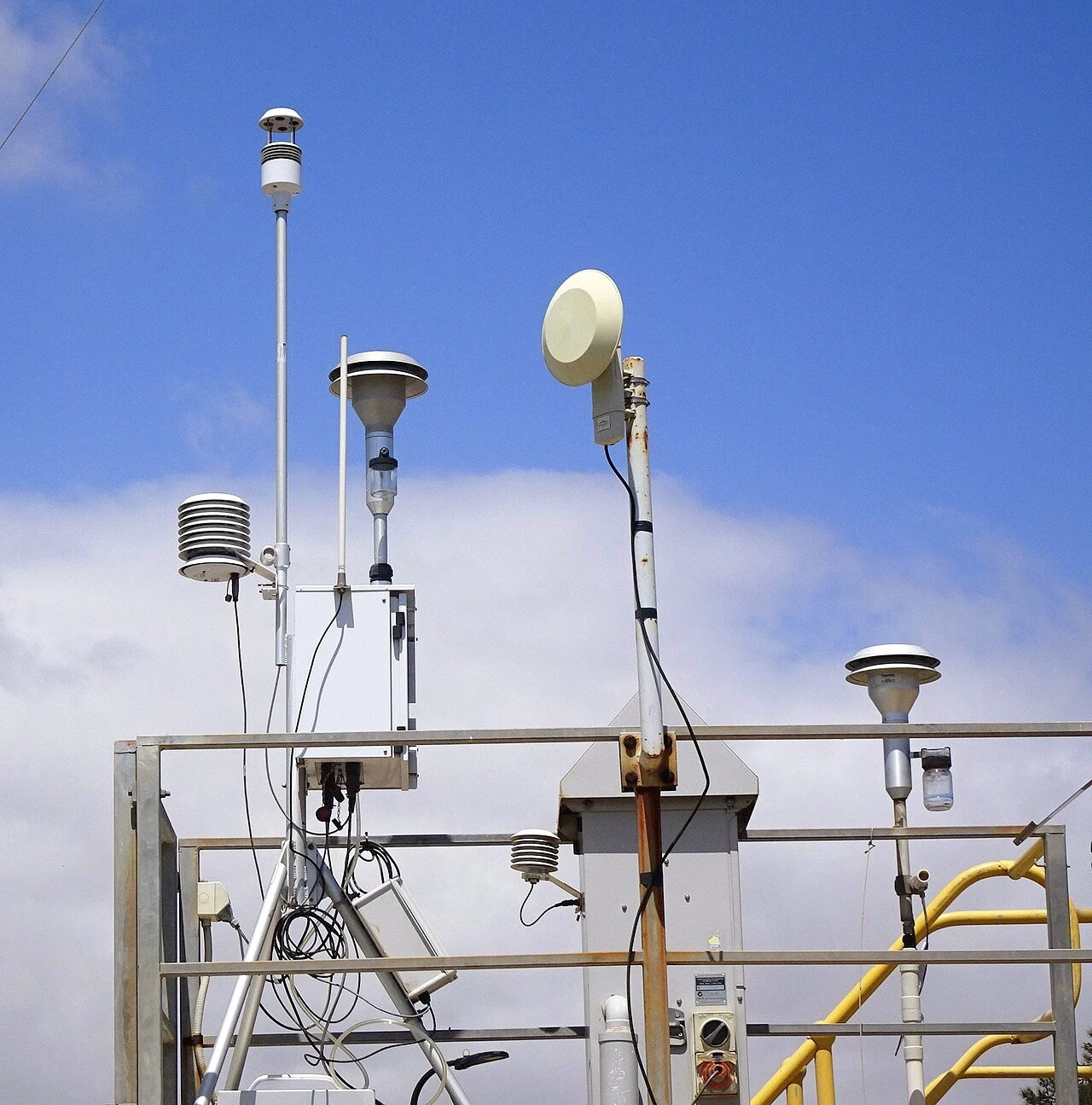
In a significant step towards strengthening environmental monitoring, the West Bengal Pollution Control Board (WBPCB) will expand its air quality surveillance network across district towns in West Bengal over the next three years.
The initiative, scheduled to run from July 2026 to June 2029, will monitor ambient air pollution at 83 stations located across district towns, extending surveillance beyond major metropolitan areas to capture a more comprehensive picture of air quality across the state.
According to WBPCB officials, the expanded monitoring network will help authorities generate reliable scientific data on pollution levels in rapidly growing urban centres. The information gathered will assist policymakers in understanding regional pollution trends and formulating targeted strategies to control air pollution.
“Expanding monitoring to district towns will help authorities track air quality trends across different regions of the state,” a WBPCB official said. “The data will support informed planning and regulatory measures to address pollution.”
The monitoring programme will follow the National Ambient Air Quality Standards (2009) and guidelines issued by the Central Pollution Control Board for manual sampling and analysis of ambient air pollutants.
The stations will measure several key pollutants used to assess ambient air quality, including PM10, PM2.5, sulphur dioxide (SO₂), nitrogen dioxide (NO₂), lead, nickel, arsenic and benzo(a)pyrene.
Officials noted that many district towns across West Bengal have experienced increasing urbanisation, rising vehicular traffic, and expanding industrial activity in recent years. The expanded monitoring network will provide a clearer understanding of pollution patterns in these areas and help identify locations that may require targeted regulatory attention.
The monitoring work will be conducted by laboratories in West Bengal that are recognised by the pollution control board and accredited for ambient air quality testing.
Authorities say the initiative forms part of the state government’s broader efforts to strengthen environmental monitoring systems and align them with national scientific standards. By expanding air quality monitoring beyond major cities, the government hopes to obtain more region-specific data that can support long-term pollution management strategies and improve environmental governance across the state.