Mahakaran Set for Revival: Bengal’s Historic Seat of Power Eyes a New Chapter
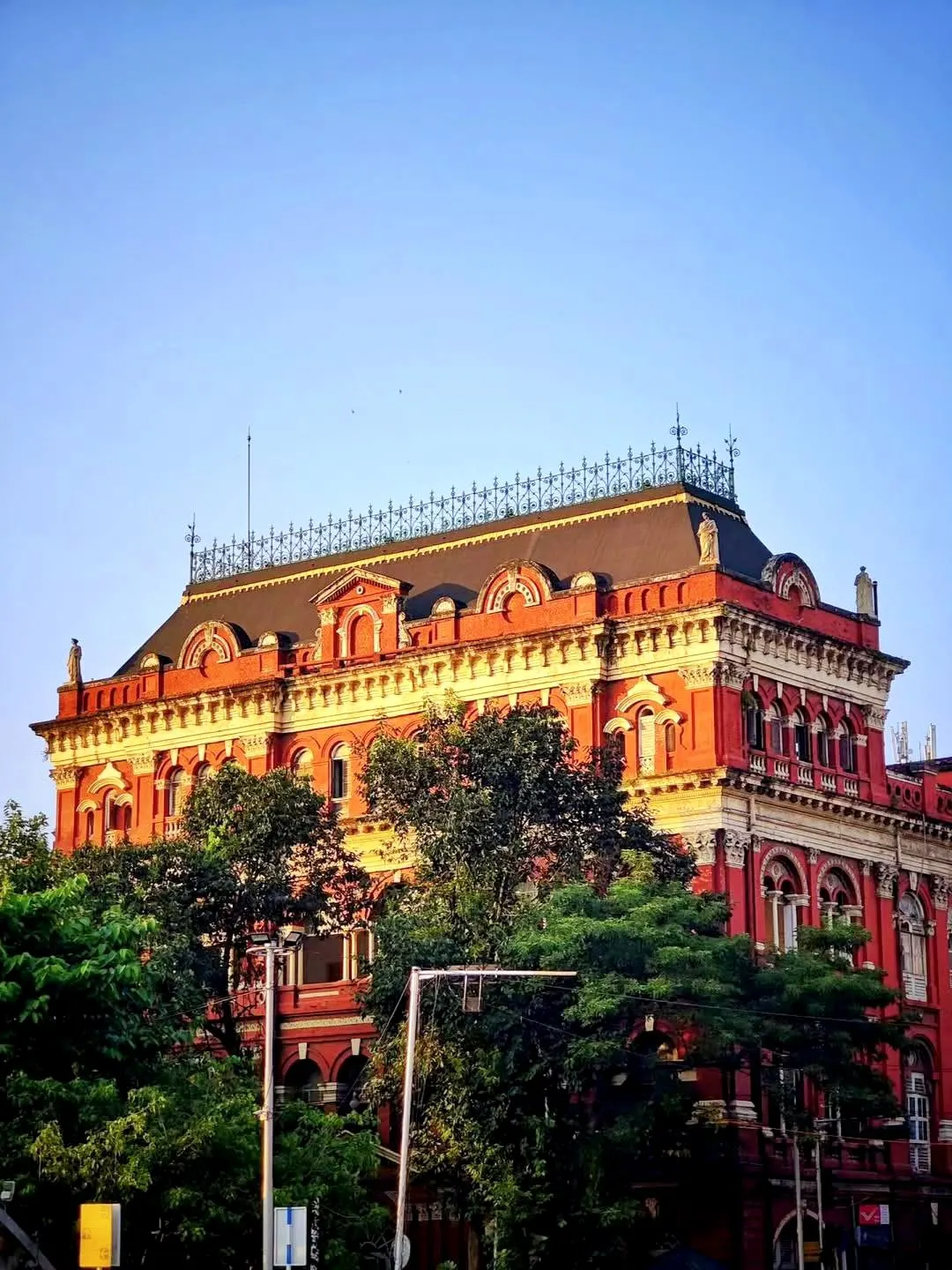
In the heart of Kolkata stands one of the most iconic symbols of Bengal’s administrative legacy, Mahakaran (Writer’s Building). As the state moves forward after the recent elections, discussions around restoring and reactivating this historic structure as the secretariat of the Government of West Bengal are once again gaining momentum.
Constructed in 1780, the Writer’s Building is deeply intertwined with Kolkata’s colonial and post-independence history. Originally built for the writers (junior clerks) of the British East India Company, the structure gradually evolved into the epicentre of governance in Bengal. After India’s independence in 1947, Mahakaran served as the state secretariat for over 65 years, witnessing critical policy decisions, administrative transformations, and defining moments that shaped West Bengal’s trajectory.
However, with time and the need for modern infrastructure, administrative operations were gradually shifted to other locations, leaving this grand red edifice awaiting a new purpose. Today, as conversations around governance, infrastructure, and heritage preservation converge, Mahakaran stands at a crucial crossroads.
The idea of bringing back the secretariat to this historic building is not merely administrative—it carries symbolic weight. Reviving Mahakaran would reconnect the present with the past, restoring a sense of continuity in Bengal’s governance while preserving an architectural gem that defines Kolkata’s identity.
At the same time, restoration efforts would need to strike a careful balance. Preserving the building’s heritage value while equipping it with modern facilities, safety measures, and technological infrastructure will be key to making it functional for contemporary governance.
If executed thoughtfully, the revival of Mahakaran could become a landmark project—one that showcases how cities like Kolkata can embrace progress without losing their historical soul.
Because Mahakaran is not just a building. It is a living legacy of Bengal’s governance, resilience, and evolution.