West Bengal Clears ₹8,487-Crore Road Development Plan to Build Over 20,000 km of New Roads
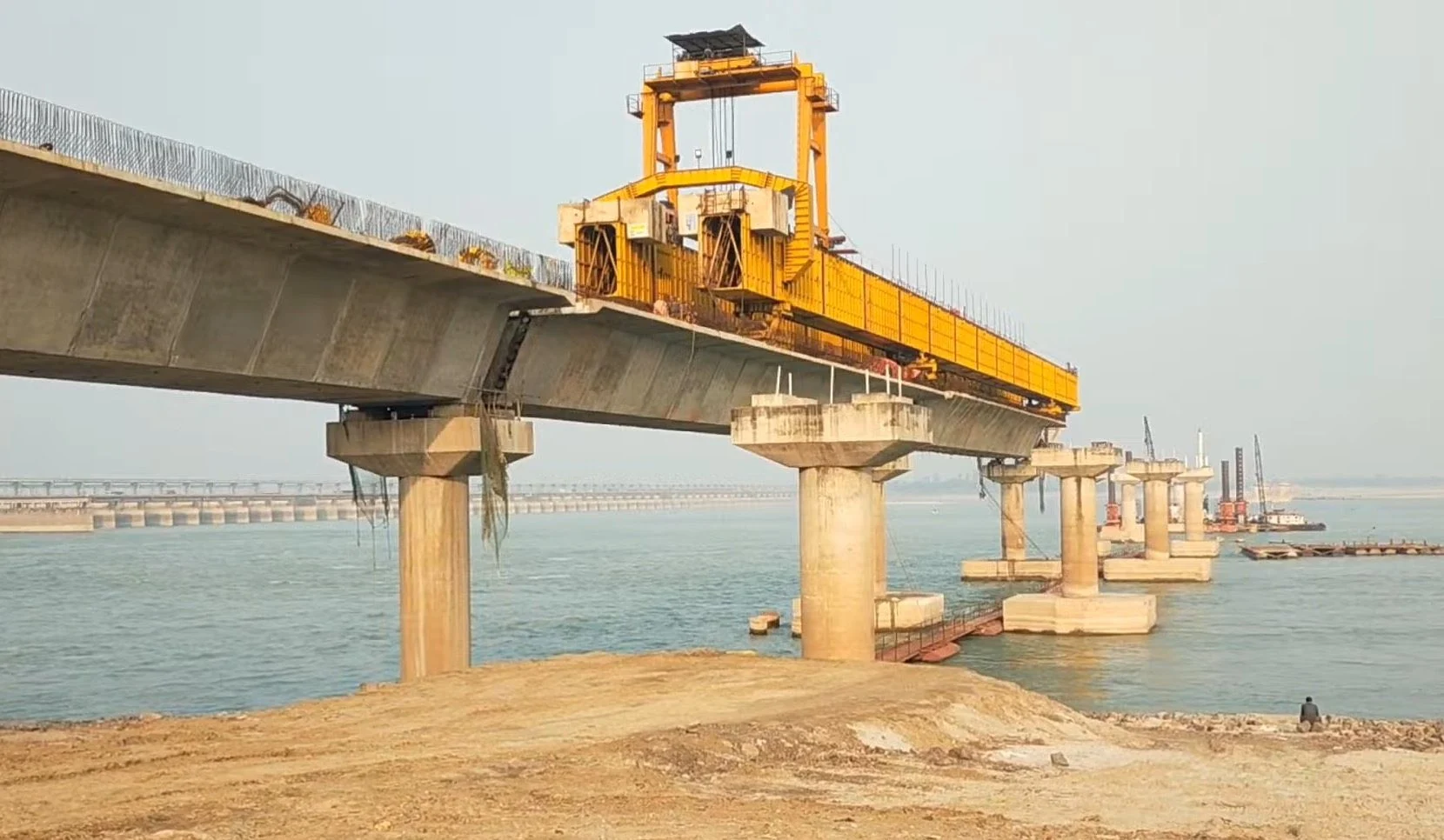
In a major boost to infrastructure and connectivity, the West Bengal government has approved a ₹8,487-crore road development programme aimed at constructing over 20,000 kilometres of new roads across the state. The proposal has already received cabinet approval, making it one of the most ambitious infrastructure initiatives undertaken by the state in recent years.
The large-scale programme is designed to bridge long-standing connectivity gaps across both rural and urban regions, improving access to markets, healthcare facilities, educational institutions, and administrative centres, especially in remote and underserved areas.
Strong Push for Rural Connectivity Under Pathashree
A significant portion of the project focuses on rural development, with 15,011 kilometres of roads slated for construction under the Pathashree scheme. Many villages in West Bengal still rely on kutcha or partially developed roads, which often become unusable during monsoons.
Earlier phases of Pathashree have already shown positive outcomes, easing daily travel for villagers, students, farmers, and small traders. The new expansion aims to deepen this impact by extending all-weather road connectivity to a much wider rural network, supporting local livelihoods and boosting economic activity at the grassroots level.
Urban Road Development Across KMDA Areas
Alongside rural roads, the state has approved the construction of around 5,019 kilometres of urban roads within areas governed by the Kolkata Metropolitan Development Authority (KMDA). For this component, a separate allocation of ₹1,500 crore has been earmarked.
The urban development plan will focus on improving feeder roads, strengthening intra-city links, and enhancing access routes connecting residential neighbourhoods to major transport corridors. These upgrades form part of West Bengal’s broader urban mobility and city-planning strategy, aimed at easing congestion and improving daily commuting.
Fully Funded by the State Government
Notably, the entire ₹8,487-crore project will be funded by the state budget, without any external or central assistance. By opting for a self-funded model, the government aims to maintain tighter control over execution timelines, quality standards, and project priorities.
This decision reflects the state’s commitment to fast-tracking infrastructure development using its own financial resources while ensuring long-term socio-economic benefits.