Chittaranjan Locomotive Works Sets Record with 800 Electric Locomotives in FY26
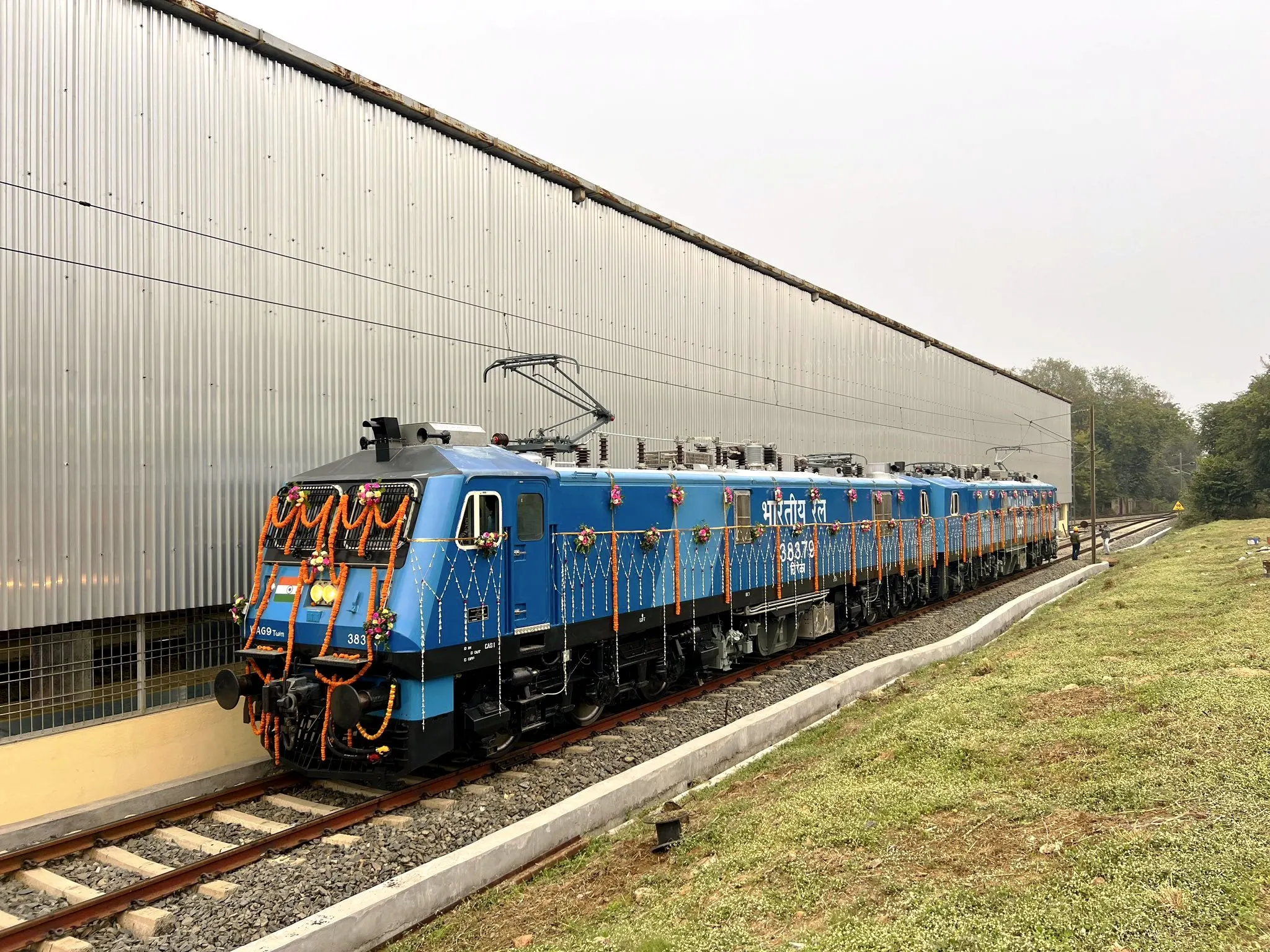
In a historic achievement for India’s railway manufacturing sector, Chittaranjan Locomotive Works (CLW) has produced 800 electric locomotives in FY26, marking the highest-ever annual production in its history. The milestone was achieved at its manufacturing facility near Asansol, reinforcing West Bengal’s crucial role in India’s industrial growth.
Recognized as the largest locomotive manufacturer in the world, CLW has consistently been at the forefront of innovation and scale in railway production. This latest achievement not only highlights its operational excellence but also underscores India’s growing capabilities in large-scale engineering and manufacturing.
Boost to Indian Railways’ Electrification Goals
This record-breaking production aligns closely with the vision of Indian Railways, which is focused on achieving 100% electrification, improving operational efficiency, and promoting environmentally sustainable transport solutions. The increased production of electric locomotives plays a critical role in reducing dependence on fossil fuels and lowering carbon emissions across the railway network.
Electric locomotives are not only more energy-efficient but also enable faster and more reliable train operations. With CLW ramping up production, Indian Railways is better positioned to modernize its fleet and meet the growing demand for both freight and passenger transportation.
Strengthening West Bengal’s Industrial Legacy
The achievement is also a moment of pride for West Bengal, particularly the industrial belt around Asansol, which has long been a hub for heavy engineering and manufacturing. CLW’s continued success reinforces the region’s importance in India’s infrastructure ecosystem and showcases its contribution to national development.
Driving India’s Green Mobility Future
As India accelerates its transition towards sustainable infrastructure, milestones like this serve as key indicators of progress. CLW’s record production is not just a number—it represents a significant step toward building a greener, faster, and more efficient railway network.
With electrification and modernization at the core of India’s transport strategy, CLW is set to remain a cornerstone of the country’s railway transformation in the years to come.