Tata Power Eyes ₹2,500 Crore Investment in West Bengal for 500 MW Solar Projects
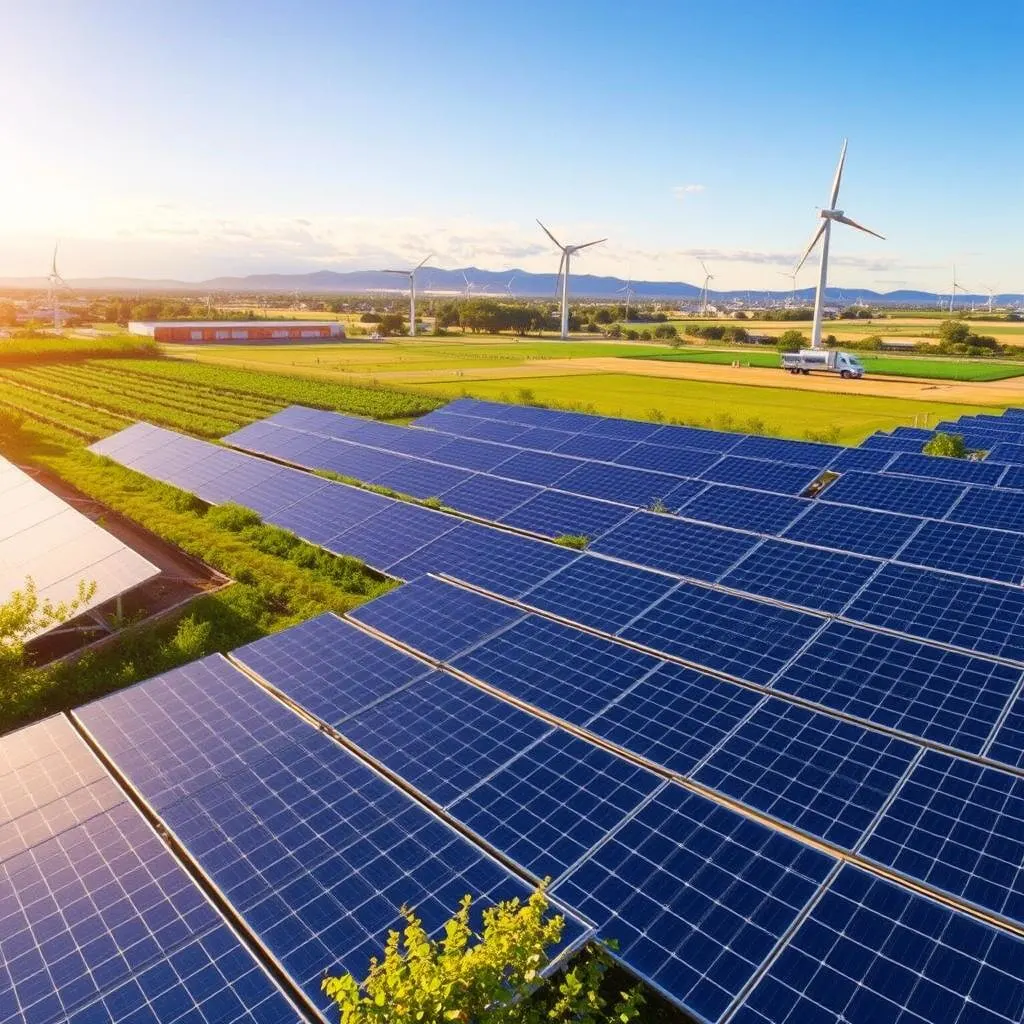
West Bengal could see a major boost to its renewable energy sector, with Tata Power exploring an investment of ₹2,500 crore to develop solar power projects with a proposed combined capacity of around 500 MW across the state. The proposal, which is currently at a preliminary stage, could strengthen Bengal’s clean energy infrastructure and expand the adoption of solar power across residential and utility-scale segments.
Tata Power Seeks Land for Solar Projects Across Bengal
Tata Power has approached the West Bengal government to seek land for the proposed solar power projects. Three to four locations have reportedly been suggested for assessment as the company evaluates the feasibility of setting up solar installations across the state.
The capacity of individual projects could range from 100 MW to 500 MW, depending on land availability and the feasibility of the proposed locations. However, the investment plan is still under consideration, and the projects are yet to move beyond the preliminary assessment stage.
If the proposal progresses, the investment could contribute to expanding West Bengal’s renewable energy generation capacity and support the development of the state’s clean energy ecosystem.
Tata Power Pushes for Rooftop Solar Subsidies in West Bengal
Alongside its proposed large-scale solar investments, Tata Power Renewable Energy is seeking financial incentives to accelerate rooftop solar adoption in West Bengal.
Under its Ghar Ghar Solar initiative, the company has urged the state government to introduce subsidies ranging from ₹15,000 to ₹25,000 per rooftop solar installation. The company has cited similar incentives offered in other states as a reference for encouraging households to adopt solar energy.
Such subsidies could help reduce the upfront cost of installing rooftop solar systems, making the technology more accessible to residential consumers. Wider adoption could also help households reduce their dependence on conventional electricity and improve long-term energy cost savings.
The proposal comes amid growing efforts to expand distributed solar power generation and encourage consumers to participate in India's renewable energy transition.
Rooftop Solar and Battery Storage Solutions in Kolkata
Tata Power has also strengthened its presence in the residential solar market with the launch of its rooftop solar and battery storage solution in Kolkata ahead of Durga Puja.
The offering brings together rooftop solar generation and battery storage, allowing households to generate electricity from solar energy and store power for later use, depending on the system configuration.
The launch reflects the company's focus on expanding its residential clean energy offerings alongside its utility-scale renewable energy business. With appropriate incentives and greater consumer awareness, rooftop solar could emerge as an important component of West Bengal's energy transition.
What the Proposed Investment Could Mean for Bengal
The proposed ₹2,500 crore investment highlights the potential for further private-sector participation in West Bengal's renewable energy sector. However, the final scale and timeline of the proposed projects will depend on land availability, project feasibility and subsequent approvals.
If implemented, the projects could add substantial solar generation capacity to the state while creating opportunities across the renewable energy value chain, including project development, installation, operations and maintenance.
The company's push for rooftop solar subsidies also underlines the importance of state-level policy support in accelerating household adoption of clean energy technologies.
Tata Power has indicated that its expansion plans will continue despite differences between Tata Sons and Tata Trusts. The proposed investment in West Bengal, however, remains at an early stage, with further clarity expected as discussions around land and project feasibility progress.
As India continues to expand its renewable energy capacity, developments such as these could help position West Bengal for a larger role in the country's clean energy transition.