West Bengal’s ₹1.47 Lakh Crore Infrastructure Push: Can Bengal Turn Connectivity into Manufacturing Growth?
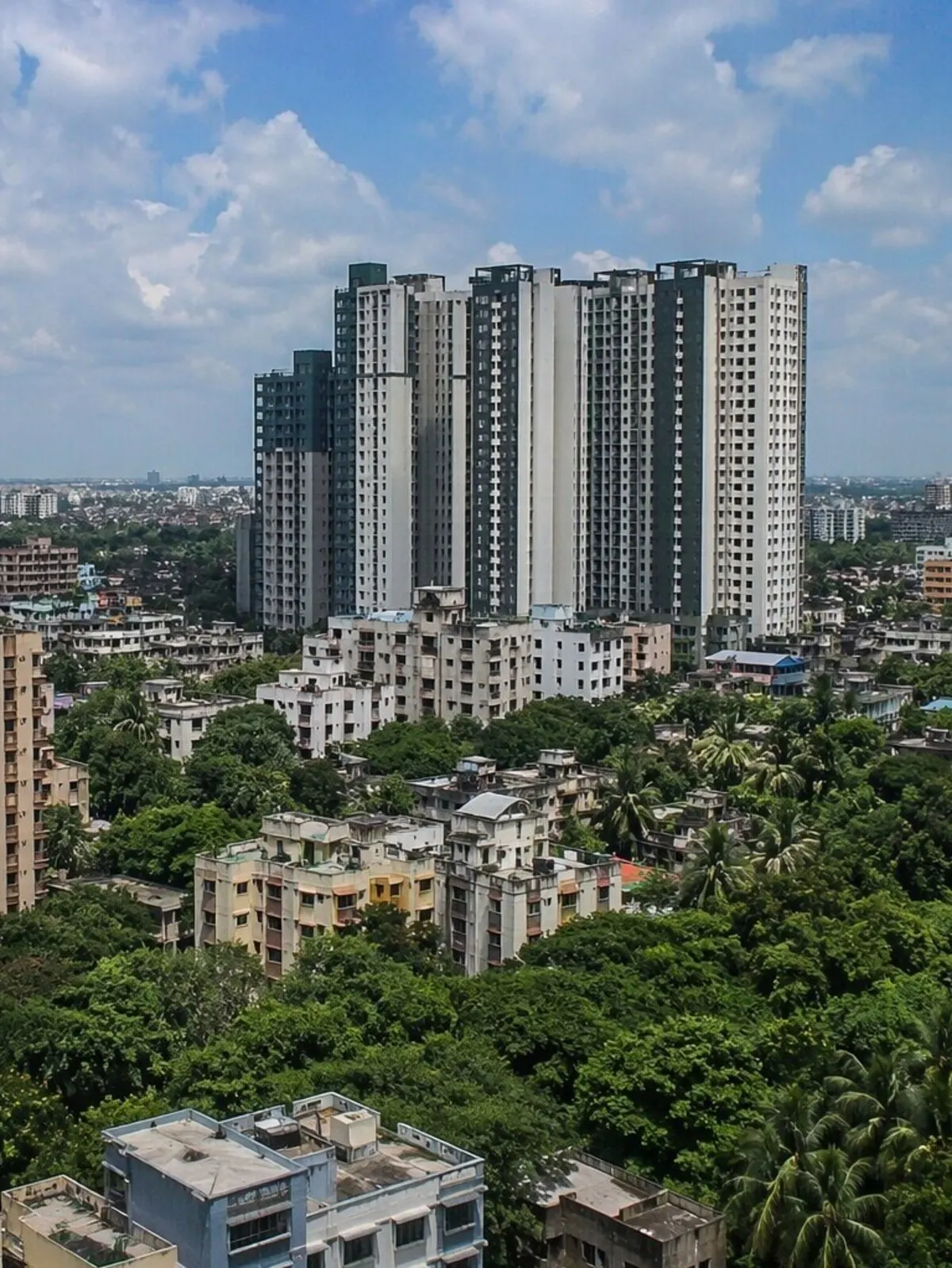
West Bengal is witnessing a major infrastructure expansion, with 82 ongoing central-sector infrastructure projects carrying a latest revised cost of around ₹1.47 lakh crore. Nearly ₹79,609 crore has already been spent on these projects, underlining the scale of infrastructure investment taking place across the state.
Railways account for the largest share of this investment at around ₹60,772 crore, while significant projects are also underway across roads, power, ports, waterways and other infrastructure segments.
For Bengal, however, the bigger opportunity lies beyond infrastructure creation. The state now faces an important challenge: how to convert improved connectivity into manufacturing capacity, industrial investment, employment and exports.
Bengal’s ₹1.47 Lakh Crore Infrastructure Opportunity
The ongoing central-sector projects represent a substantial upgrade to West Bengal’s physical infrastructure.
With railways receiving the largest share, improved connectivity could strengthen the movement of people, raw materials and finished goods across Bengal and connect industrial centres with national and international markets.
Investments in roads, ports and waterways could further improve logistics, particularly for industries that depend on efficient movement of bulk materials and manufactured products.
The combination of rail, road, power and port infrastructure can provide an important foundation for Bengal’s next phase of industrial development.
Railways Account for the Largest Share
Railway infrastructure represents the largest component of the ongoing central-sector project pipeline, with investments of around ₹60,772 crore.
For an industrial state such as West Bengal, stronger railway connectivity can have a direct impact on logistics and supply chains. Better rail infrastructure can improve access to markets, reduce transportation bottlenecks and strengthen connections between manufacturing clusters, ports and consumption centres.
The impact could extend beyond passenger connectivity, particularly for sectors that depend heavily on freight transportation.
From Infrastructure to Industrial Growth
Infrastructure, however, is only the platform.
A recent PHD Chamber report argues that West Bengal needs to focus on converting its infrastructure advantage into manufacturing and export growth.
One of the key proposals is the creation of a rolling industrial land pipeline of 5,000–10,000 acres.
A reliable supply of industrial land can help companies plan expansions more efficiently and create opportunities for the development of larger, integrated industrial clusters.
Instead of individual industrial projects operating in isolation, cluster-based development can bring manufacturers, suppliers, logistics providers, skilled workers and supporting services closer together.
Key Manufacturing Sectors Identified for Bengal
The proposed industrial strategy places emphasis on sectors where Bengal can potentially build deeper manufacturing ecosystems.
These include:
- Precision engineering
- Electronics manufacturing
- Railway components
- Automotive components
- Renewable-energy equipment
- Maritime manufacturing
These sectors could complement Bengal’s existing industrial capabilities while also creating opportunities to participate in larger national and global supply chains.
Precision Engineering
Precision engineering can support a wide range of industries, including automotive, railways, heavy engineering, industrial equipment and other advanced manufacturing segments.
Developing specialised clusters could help Bengal attract both large manufacturers and smaller component suppliers.
Electronics Manufacturing
The expansion of electronics manufacturing could create opportunities across components, equipment, assembly and related supply chains.
With demand for electronics continuing to expand across India, establishing competitive manufacturing clusters could help Bengal capture a larger share of this growing market.
Railway and Automotive Components
Given Bengal’s railway connectivity and established engineering base, railway and automotive components could become important areas for industrial cluster development.
A stronger local supplier ecosystem could improve supply-chain efficiency while creating opportunities for MSMEs and specialised manufacturers.
Renewable-Energy Equipment
The renewable-energy transition is creating demand for equipment and components across solar, energy systems and other clean-energy technologies.
Developing manufacturing capabilities in this segment could position Bengal to participate in an expanding national market.
Maritime Manufacturing
With Kolkata’s strategic location and access to the Hooghly river system and the Bay of Bengal, maritime manufacturing represents another potential area of opportunity.
Stronger integration between ports, waterways, engineering companies and manufacturing clusters could support the development of a broader maritime industrial ecosystem.
The Importance of Industrial Clusters
The proposed approach is significant because modern manufacturing increasingly depends on integrated ecosystems.
A successful industrial cluster can combine:
Industrial land + infrastructure + logistics + suppliers + skilled workforce + technology + market access
Such an ecosystem can make it easier for companies to establish operations and scale production.
For Bengal, this could also create opportunities for MSMEs to become suppliers to larger domestic and multinational companies.
Bengal’s Export Opportunity
The next stage of Bengal’s industrial development could also be closely linked to exports.
Improved connectivity through railways, roads, ports and waterways can strengthen the state’s logistics position. But infrastructure alone will not automatically translate into higher exports.
Bengal will need competitive manufacturing capacity, reliable industrial land, efficient logistics, skilled manpower and strong supplier networks.
If these elements come together, the state could potentially use its geographic position and infrastructure investments to serve both Indian and international markets.
From Projects to Production
The ₹1.47 lakh crore infrastructure pipeline represents a significant opportunity for West Bengal.
But the real economic impact will ultimately be measured not only by kilometres of railway lines, roads or infrastructure created, but by what they enable.
The next phase could be about using this infrastructure to attract factories, expand manufacturing, create supply chains, generate employment and increase exports.
The focus on 5,000–10,000 acres of industrial land and integrated manufacturing clusters points towards a broader industrial strategy for Bengal.
If effectively implemented, West Bengal could leverage its infrastructure expansion to strengthen its position as a manufacturing and logistics hub in eastern India.
The Road Ahead for West Bengal
Bengal already has several advantages: a large consumer market, strategic access to eastern and northeastern India, proximity to neighbouring countries, established industrial capabilities and access to ports and waterways.
The challenge is to connect these advantages into a cohesive industrial ecosystem.
The state’s ₹1.47 lakh crore central-sector infrastructure pipeline provides a substantial foundation. The next question is whether Bengal can successfully transform that infrastructure into industrial investment, manufacturing capacity, jobs and exports.
The opportunity is large. The next phase will depend on execution.
For West Bengal, the infrastructure story may only be the beginning. The bigger story could be what Bengal builds on top of it.