Bengal Plans Revival of 150-Year-Old Quinine Factory in Darjeeling
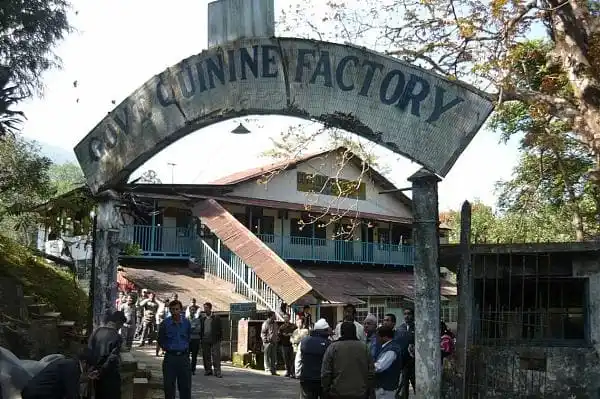
The Government of West Bengal has initiated plans to revive the historic quinine factory at Mungpoo in Darjeeling, nearly two decades after the facility ceased operations. Established in 1874, the factory was once a major producer of quinine, a medicine derived from cinchona bark that was widely used to treat malaria.
The revival proposal will be submitted to the Chief Minister following a site visit scheduled for July 23. The move comes amid renewed efforts to preserve the state's industrial heritage while creating opportunities for value-added manufacturing.
Although the factory has remained closed for years, the state's 6,600-acre cinchona plantations continue to operate with around 170 employees, significantly below the sanctioned strength of 1,274. Every year, nearly 200 metric tonnes of cinchona bark are exported to Gujarat for processing.
Workers have urged the government to restart operations at Mungpoo and establish a modern pharmaceutical manufacturing facility capable of processing cinchona locally. Such a revival could boost employment, strengthen West Bengal's pharmaceutical ecosystem, and ensure greater value addition within the state instead of exporting raw material.
If implemented, the project would not only restore one of India's oldest pharmaceutical manufacturing sites but also reinforce West Bengal's focus on industrial revival and manufacturing-led economic growth.