IIT Kharagpur Scientists Decode 4.4-Billion-Year-Old Moon Mystery, Boosting Chandrayaan-4
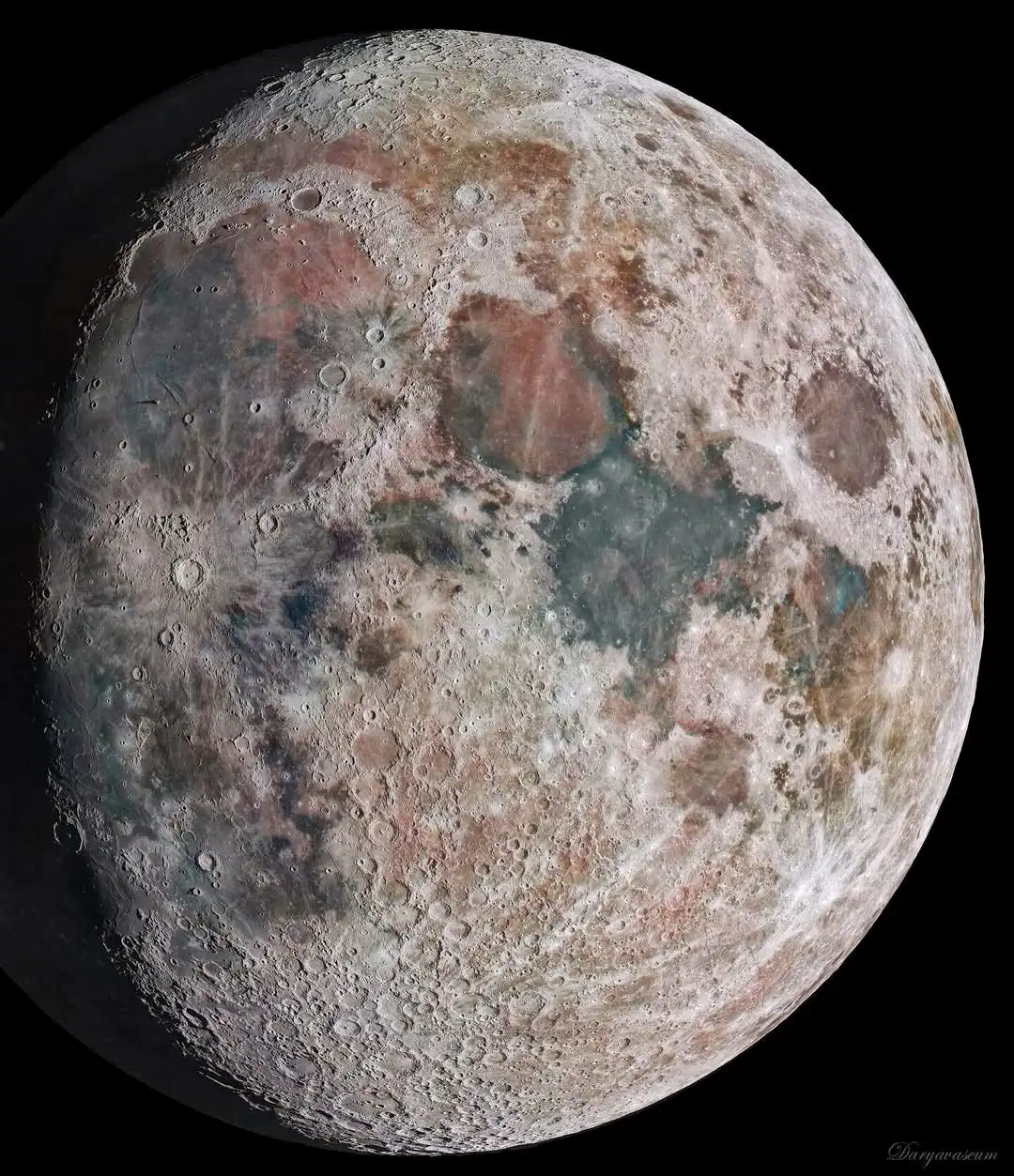
In a major breakthrough for India’s space ambitions, researchers from Indian Institute of Technology Kharagpur, in collaboration with Physical Research Laboratory, have uncovered new insights into the Moon’s deep interior, dating back nearly 4.4 billion years.
The findings are expected to play a crucial role in shaping India’s upcoming lunar sample-return mission, Chandrayaan-4.
What Did IIT Kharagpur Researchers Discover About the Moon?
The study focuses on a rare class of iron- and titanium-rich lunar rocks known as ilmenite-bearing cumulates (IBC). These rocks are believed to have formed around 4.3–4.4 billion years ago, when the Moon was covered by a vast ocean of molten rock.
As this magma ocean cooled, dense mineral layers sank deep into the Moon’s interior, preserving crucial information about its early evolution.
To investigate this, researchers recreated extreme lunar conditions in laboratory experiments, subjecting samples to pressures of up to 3 gigapascals and temperatures exceeding 1500°C.
How Lunar Magma Shapes the Moon’s Surface
The experiments revealed how these ancient rocks partially melt and interact with the surrounding mantle, producing magmas similar to the titanium-rich basalts observed on the Moon’s surface.
One of the key findings highlights how different temperature conditions produce different types of magma:
- At higher temperatures → moderately titanium-rich melts form intermediate basalts
- At lower temperatures → highly titanium-rich melts evolve and mix with other magmas
This complex process helps explain the origin of high-titanium basalts detected during previous lunar missions.
A Dynamic Moon: Not as Static as We Thought
The study also sheds light on how magma behaves beneath the Moon’s surface:
- At lower pressures, magma can rise and contribute to volcanic activity
- At higher pressures, some magma may sink back into the mantle
This indicates a dynamic internal system involving both upward and downward movement—known as mantle overturn—challenging earlier assumptions about the Moon’s geological activity.
Why This Matters for Chandrayaan-4
These findings have direct implications for Indian Space Research Organisation’s upcoming Chandrayaan-4 mission, which aims to bring lunar samples back to Earth.
The research will help:
- Identify scientifically valuable landing sites
- Improve interpretation of returned lunar samples
- Enhance understanding of the Moon’s geological history
With Chandrayaan-4 expected to target regions near the Moon’s South Pole, this knowledge becomes critical for mission planning and scientific success.
Research Backed by Indian Scientists
The study, published in Geochimica et Cosmochimica Acta, was led by researchers including Sujoy Ghosh, Himela Moitra, Tamalkanti Mukherjee, Saibal Gupta, and Kuljeet Kaur Marhas.
Their work provides a strong experimental framework to understand how unusual, titanium-rich magmas form deep within the Moon and eventually reach its surface.
India’s Growing Footprint in Space Research
As India continues to expand its footprint in global space exploration, breakthroughs like this highlight the role of homegrown research in solving planetary mysteries.
From laboratories in Kharagpur to future missions on the Moon, the journey reflects a larger shift, India is not just participating in space exploration, but actively shaping it.