West Bengal Signs Nine MoUs with NBCC for Major Urban Redevelopment and Infrastructure Projects
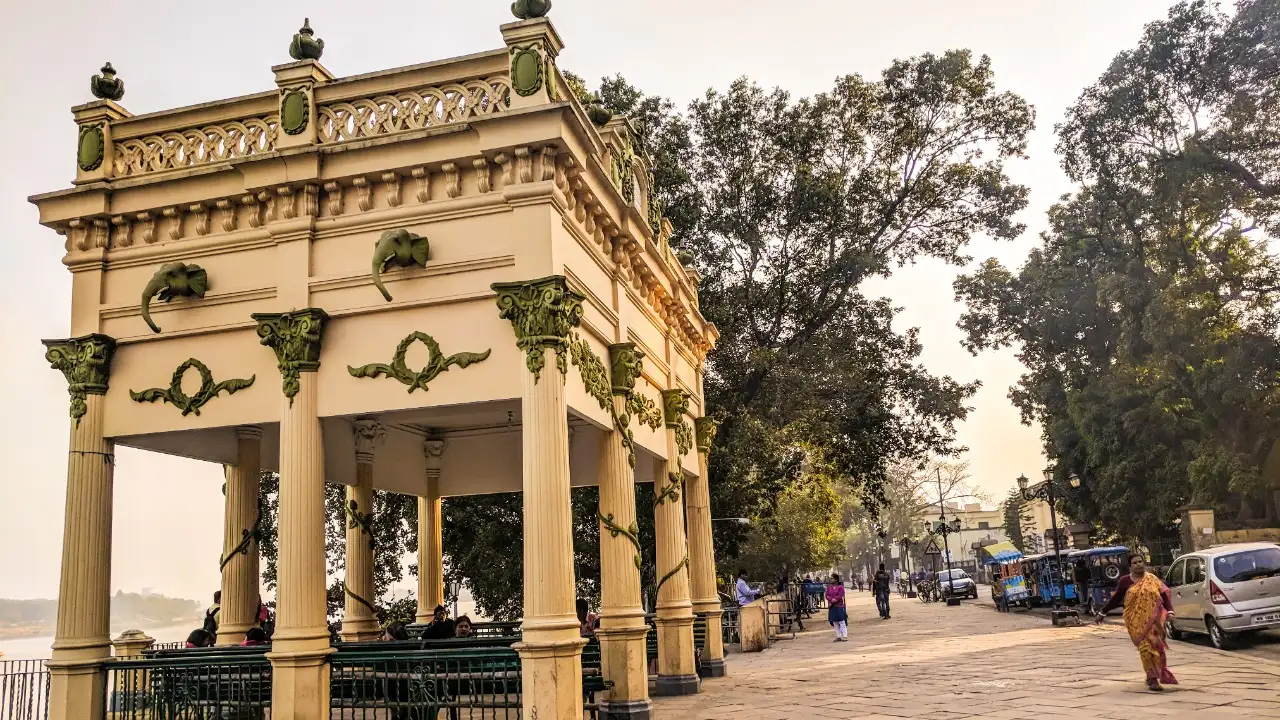
West Bengal has signed nine Memorandums of Understanding (MoUs) with NBCC (India) Limited, appointing the public sector enterprise as the Project Management Consultant for a series of proposed urban redevelopment and infrastructure projects across the state. The initiatives form part of an ambitious vision to modernise urban spaces, improve public amenities and strengthen infrastructure while preserving the cultural and historical identities of important locations.
The proposed projects cover several areas, including College Street and Tangra in Kolkata, Chandannagar, Nabadwip, the BMC area and the Ganga riverfront. The plans combine heritage-sensitive redevelopment, housing, riverfront infrastructure, organised vending spaces and improved civic facilities.
College Street and Tangra to Retain Their Distinctive Identities
Among the key proposals are the redevelopment of College Street and Tangra Chinatown in Kolkata.
College Street, widely recognised for its historic bookshops, publishing houses and educational institutions, is envisioned as a more organised and improved book district. The redevelopment plan aims to retain its distinctive identity while upgrading the surrounding infrastructure.
Similarly, the proposed redevelopment of Tangra will seek to preserve the area's Chinese cultural character and heritage. Known for its Chinese community, restaurants and distinctive culinary identity, Tangra remains an important part of Kolkata's cultural landscape.
Ganga Riverfront Development Inspired by Mumbai's Marine Drive
One of the most ambitious components of the proposed urban transformation plan is the development of the Ganga riverfront.
The vision includes a four-lane highway, pedestrian walkways, dedicated cycling tracks, hotels and office spaces along both banks of the river. The proposed development draws inspiration from Mumbai's Marine Drive, with an emphasis on improving connectivity, creating public spaces and developing the riverfront as an urban destination.
A possible Metro connectivity project between Diamond Harbour and Esplanade has also been included in the broader vision shared with the Prime Minister's Office (PMO).
If implemented, these proposals could significantly influence the development of Kolkata and surrounding areas along the Ganga.
Chandannagar Riverfront and Nabadwip Ghats to Get Attention
The proposed projects also extend beyond Kolkata, with riverfront development planned for Chandannagar and improvements envisioned for the ghats at Nabadwip.
These initiatives aim to improve public infrastructure around important riverfront locations while enhancing their accessibility and urban appeal.
Given the historical and cultural significance of these destinations, the proposed developments could also strengthen their potential as public and tourism-oriented spaces.
Housing, Slum Rehabilitation and Public Amenities
The nine MoUs also cover housing and civic infrastructure projects.
Proposals include housing development in the BMC area and slum rehabilitation initiatives in Kolkata. These projects form part of the broader effort to address urban housing requirements and improve living conditions in densely populated areas.
The plans also include the development of public toilets and improved civic amenities across identified locations.
Organised Hawker Zones and Digital Payments
Another important component of the urban transformation agenda is the proposed reorganisation of hawker spaces.
The plans explore dedicated hawker zones, food streets and mobile vending facilities to create more organised spaces for street vendors while improving pedestrian movement and public convenience.
The introduction of QR-code-based digital payment facilities is also part of the proposal, reflecting an effort to integrate technology into the organisation of the city's informal retail ecosystem.
NBCC Appointed as Project Management Consultant
With NBCC appointed as the Project Management Consultant for the nine initiatives, the organisation will be involved in taking the proposed projects forward through the project management process.
The initiatives represent a broad urban development vision covering heritage conservation, housing, public infrastructure, transport connectivity and riverfront redevelopment.
However, these remain proposed developments, and their actual impact will depend on detailed planning, approvals, funding arrangements and implementation timelines.
If taken forward successfully, the projects could bring significant changes to Kolkata and other urban centres across West Bengal, combining modern infrastructure with the state's distinctive cultural and historical character.