West Bengal to Introduce Smart Classrooms Under ₹4,648-Crore Education Upgrade Plan
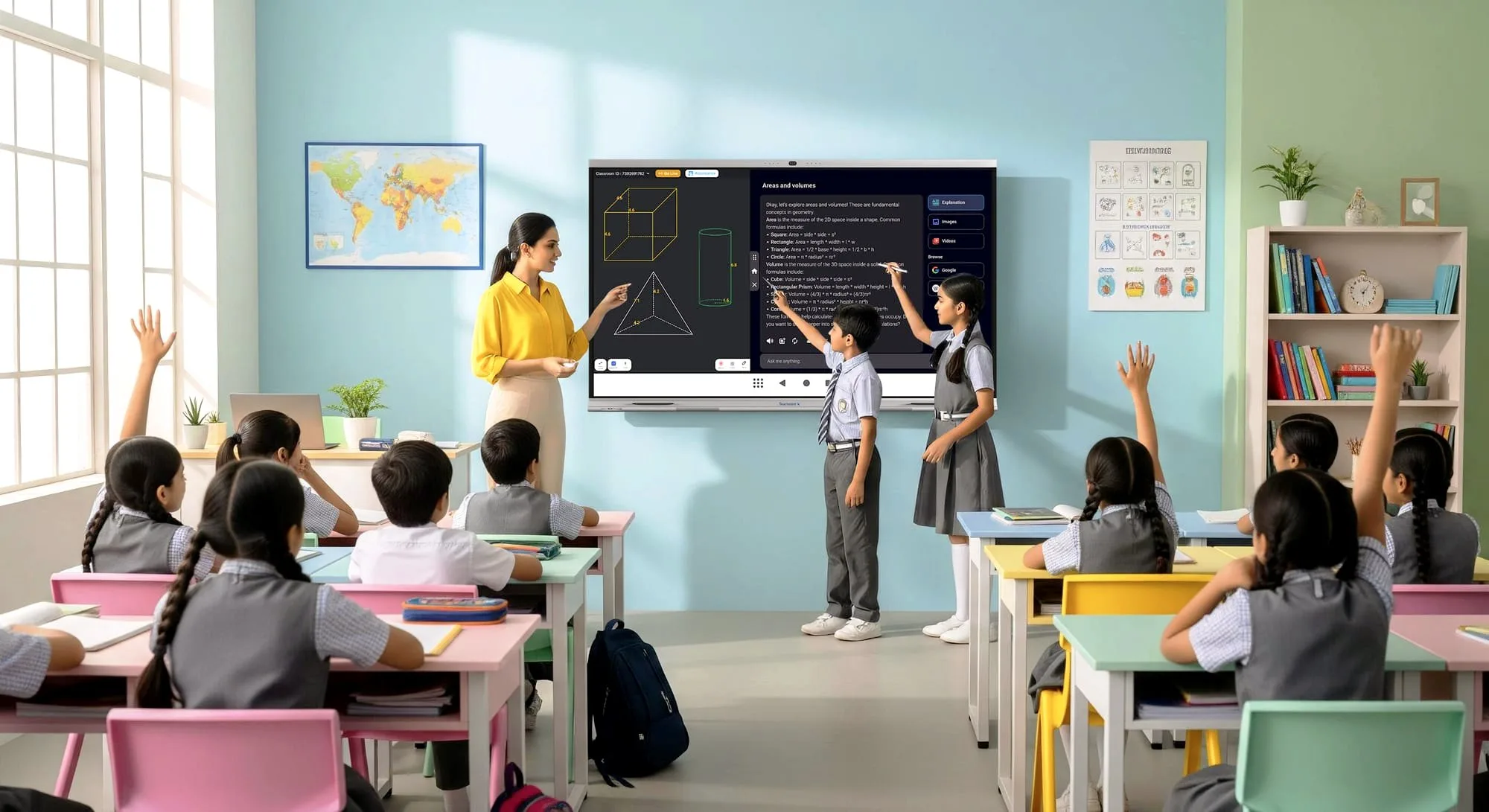
West Bengal is set to take a significant leap towards modernising its education ecosystem with the introduction of smart classrooms and technology-enabled learning facilities under a ₹4,648-crore infrastructure upgrade programme.
The initiative aims to replace traditional blackboards with interactive digital screens and advanced teaching tools, creating more engaging and technology-driven classrooms across government-run and government-aided schools in the state.
As part of the plan, smart classroom facilities will be introduced in selected schools across districts including South 24 Parganas, North 24 Parganas, Hooghly, Howrah, Paschim Bardhaman, Paschim Medinipur, Purba Medinipur, Purulia, Bankura, Jhargram, and Birbhum. The move is expected to improve learning outcomes by integrating digital resources into everyday teaching practices.
Partnership with Asian Development Bank
The state government has partnered with the Asian Development Bank (ADB) for projects worth ₹4,648 crore aimed at upgrading secondary schools and Integrated Child Development Services (ICDS) centres. Under the agreement, ADB will finance 70% of the total project cost, while the state government will contribute the remaining 30%.
The cabinet has approved the modernisation of around 430 state-aided schools, including one school from each block and two schools from each of the state’s 87 backward blocks.
Modern Infrastructure and Inclusive Facilities
The upgrade programme will focus on improving both academic and basic infrastructure. Planned developments include:
- Smart classrooms equipped with digital learning technology
- Modern laboratories and upgraded libraries
- Improved sanitation facilities and modern toilets
- Ramps and accessibility infrastructure for specially-abled students
- Upgraded kitchens for mid-day meal programmes
The government also plans to introduce English-medium instruction alongside Bengali to meet growing demand while maintaining bilingual learning opportunities.
Skill Development and Vocational Learning
To make education more career-oriented, selected schools will introduce vocational courses and bridge programmes aimed at enhancing students’ skills and employability. Regular evaluations and school development initiatives led by headmasters will also be implemented to strengthen academic outcomes.
Upgrade of ICDS Centres
Alongside school modernisation, nearly 50,000 ICDS centres across the state will be upgraded under a ₹2,148-crore project supported by ADB funding. The initiative aims to improve early childhood education infrastructure, nutrition services, and learning environments for pre-school children.
Capacity-building programmes will also be introduced for anganwadi workers and supervisors to enhance service delivery and professionalism.
Towards Future-Ready Education
With digital classrooms, improved infrastructure, and enhanced early childhood facilities, the initiative marks a major step towards building a more inclusive, technology-driven, and future-ready education system in West Bengal, aimed at attracting more students and improving the overall quality of learning across the state.