K.C. Das Plans Return to UK After 50 Years, Boosted by India–UK Trade Pact (CETA)
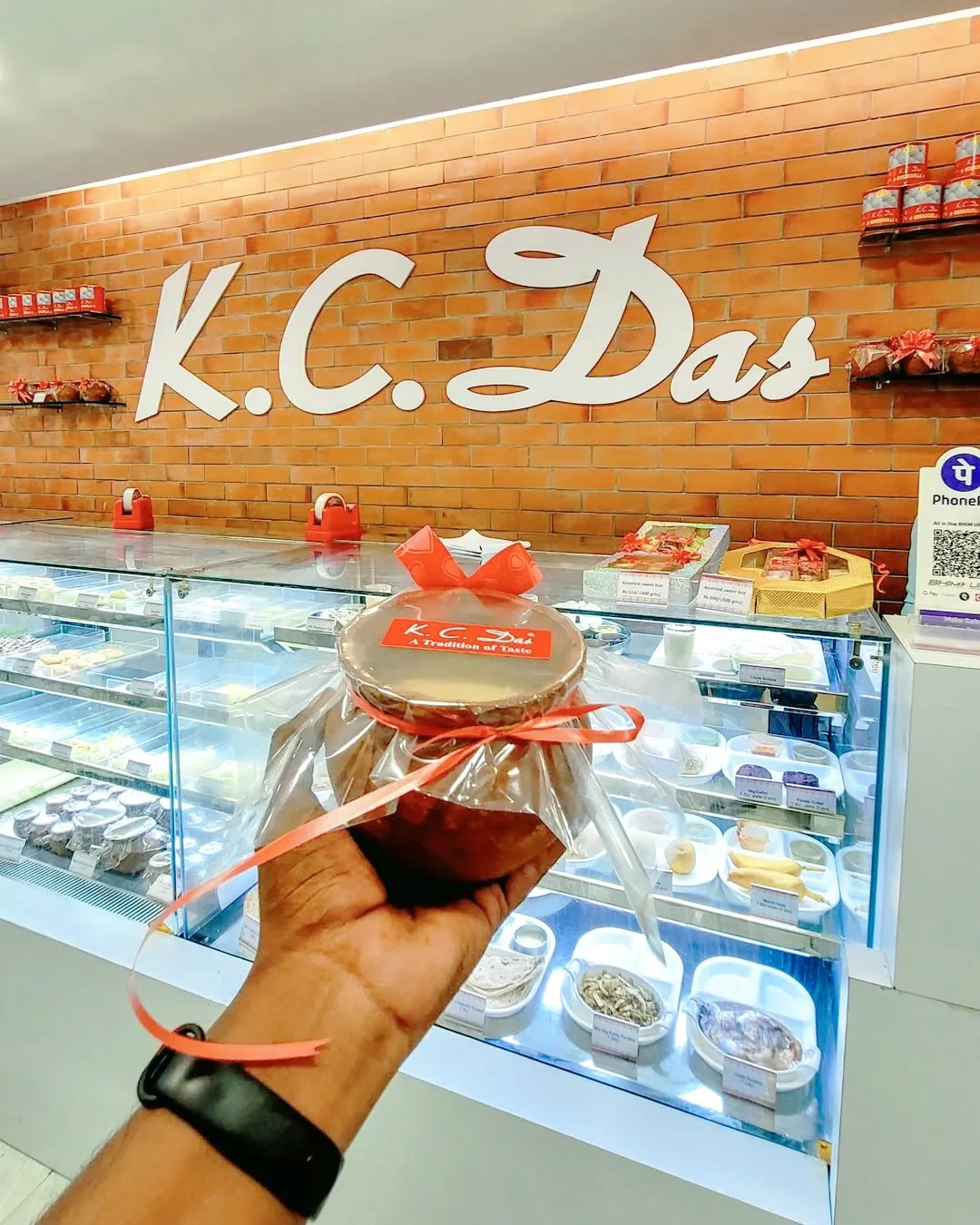
In a move that could mark a historic comeback for one of Bengal’s most celebrated food brands, K.C. Das, the legendary sweetmeat chain from Kolkata, is planning a return to the United Kingdom after more than five decades. The revival is being encouraged by the proposed India–UK Comprehensive Economic and Trade Agreement (CETA) and a growing global appetite for authentic Indian food brands.
Founded by Nobin Chandra Das, the man credited with inventing the world-famous Roshogolla, K.C. Das is synonymous with Bengal’s culinary heritage. His son, Krishna Chandra Das, further enriched this legacy by creating another iconic dessert, Roshmalai. Together, their innovations placed Kolkata firmly on the global gastronomic map.
A Strategic Return to the UK
Speaking to PTI, Dhiman Das, Executive Director of K.C. Das and a fifth-generation descendant of the founding family, said the UK market offers “huge scope” for Indian food businesses, particularly traditional brands with strong legacy value.
The company is currently exploring the possibility of setting up a manufacturing facility in Birmingham, chosen for its proximity to London and ease of servicing the larger metropolitan and adjoining markets. Birmingham is located around 190 kilometres from London, making it a strategic hub for distribution.
“We are actively looking for a suitable partner for the UK venture. The partner needs to be technically sound in dairy, as finance is not a critical issue,” Das said, adding that the brand has sought assistance from the Deputy High Commission in Kolkata to identify the right collaborator.
A Journey That Began in the 1960s
Interestingly, this will not be K.C. Das’ first international foray. The brand had entered the UK market as early as the 1960s, but was forced to withdraw in 1965 due to regulatory challenges linked to the state milk order at the time.
More than half a century later, with evolving trade frameworks and better regulatory clarity, the company believes the timing is right for a return.
“I am very optimistic that with the support of the British Deputy High Commissioner, we might resume our business in the UK soon,” Das noted.
Navigating UK Regulations
While the proposed expansion brings excitement, K.C. Das is also preparing for the realities of operating in one of the world’s most regulated food markets. According to the company, exporting key raw materials from India will not be feasible due to stringent UK norms.
“The UK is a very stringent market, and nothing is allowed from India. So we will have to source inputs locally, and dairy is a key ingredient,” Das explained.
CETA: A Game Changer for Indian Brands
The proposed India–UK Comprehensive Economic and Trade Agreement, signed during Prime Minister Narendra Modi’s visit to London in July 2025 after 14 rounds of negotiations, is expected to be implemented in the first half of 2026.
British Deputy High Commissioner Andrew Fleming has described the pact as the most “comprehensive and ambitious” trade agreement negotiated between the two nations. Once operational, CETA is expected to provide duty-free access to 99% of Indian exports to the UK, benefiting labour-intensive industries and the processed food sector in particular.
From Kolkata to the World
For Kolkata, this potential comeback represents more than just business expansion; it is a celebration of the city’s enduring influence on global food culture. From the invention of the Roshogolla to modern international markets, K.C. Das’ journey mirrors Kolkata’s own story of tradition, resilience, and global relevance.
If realised, the UK venture could open the doors for more heritage Indian food brands to step onto the world stage, carrying with them flavours that were born in the bylanes of Bengal and loved across generations.