WB Budget 2026 Highlights: ₹4.06 Lakh Cr Plan for Industrial Corridors, Smart Cities in Bengal
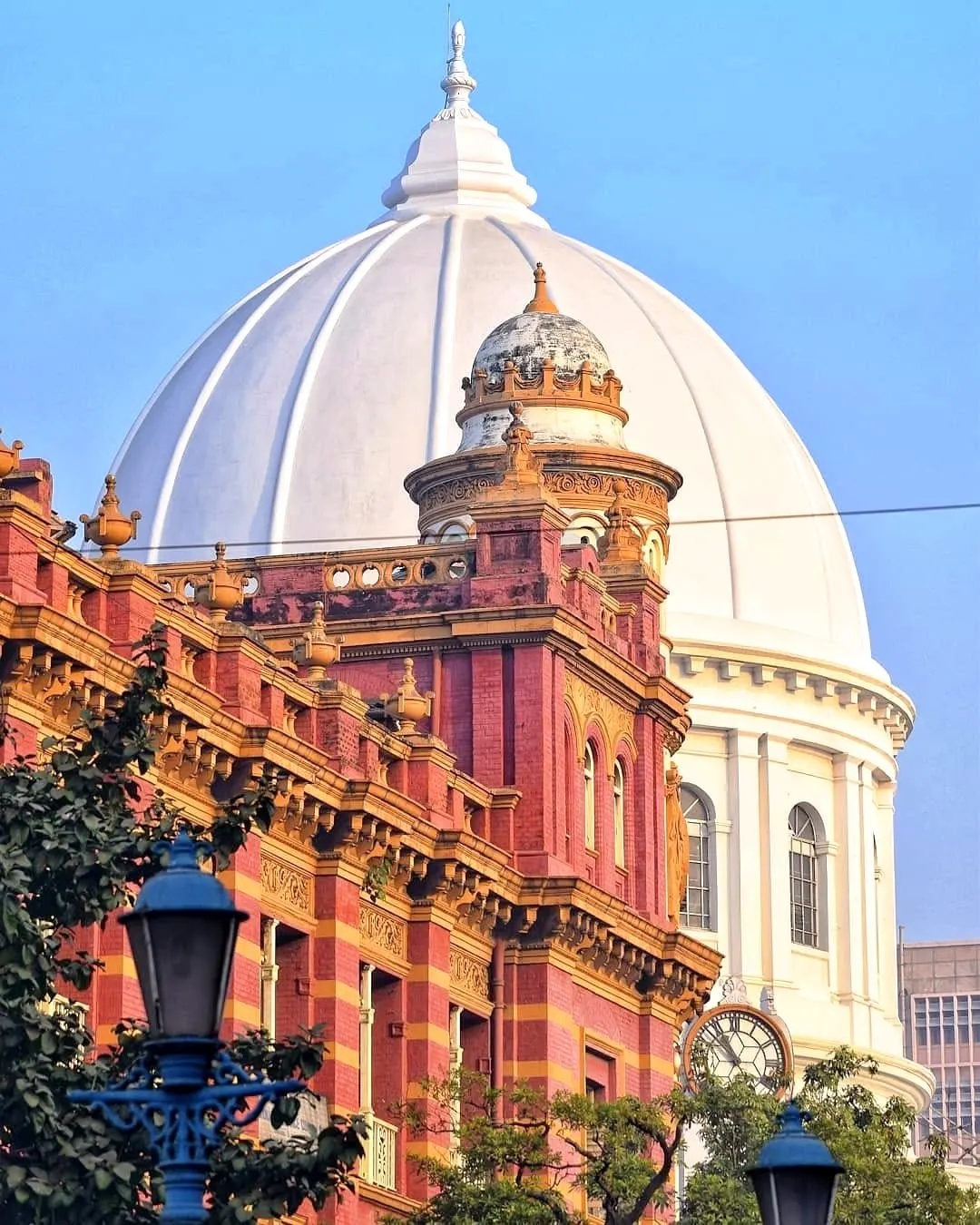
The West Bengal government has tabled a ₹4.06 lakh crore interim budget for the financial year 2026–27, outlining an ambitious roadmap focused on industrial growth, infrastructure expansion, and inclusive urban development. The WB Budget 2026 places strong emphasis on positioning Bengal as a future-ready state while ensuring balanced growth across regions.
A major highlight of the budget is the proposal to develop six Industrial and Economic Corridors across West Bengal. These corridors are expected to significantly boost manufacturing, logistics, and trade connectivity, while creating large-scale employment opportunities. By strengthening industrial linkages and easing movement of goods, the state aims to attract fresh investments and enhance its competitiveness at both national and global levels.
To further decentralise industrial growth, the government has announced five new industrial parks to be set up across key districts. Two parks are planned in Jalpaiguri, while Birbhum, Bankura, and Murshidabad will each host one industrial park. This move is expected to encourage local entrepreneurship, generate jobs in semi-urban and rural areas, and promote regionally balanced development beyond traditional industrial hubs.
Reflecting Bengal’s global trade ambitions, the budget also proposes the development of a Global Trade Centre. This initiative aims to strengthen the state’s presence in international commerce and position West Bengal as a strategic gateway for trade, especially with South and Southeast Asian markets.
Urban and cultural development also feature prominently in the WB Budget 2026. Plans have been announced for a Sports City in Howrah, envisioned as a modern hub for sports infrastructure, training, and events. Alongside this, a Cultural City is proposed in Baruipur, aimed at celebrating Bengal’s rich cultural heritage while supporting creative industries, tourism, and cultural entrepreneurship.
In a significant push towards smarter urbanisation, the state government has announced plans to transform 25 Tier-II cities into smart cities. These cities will focus on improved infrastructure, digital connectivity, sustainable planning, and better civic amenities, enhancing the overall quality of life for residents.
Overall, the WB Budget 2026 reflects a clear intent to drive long-term economic growth through infrastructure-led development, industrial expansion, and smart urban planning. From strengthening global trade linkages to empowering districts and Tier-II cities, the budget outlines a growth narrative that seeks to combine opportunity, inclusivity, and sustainability.