West Bengal Floats Tenders for Rooftop Solar Power Plants with Battery Storage Across Four Districts
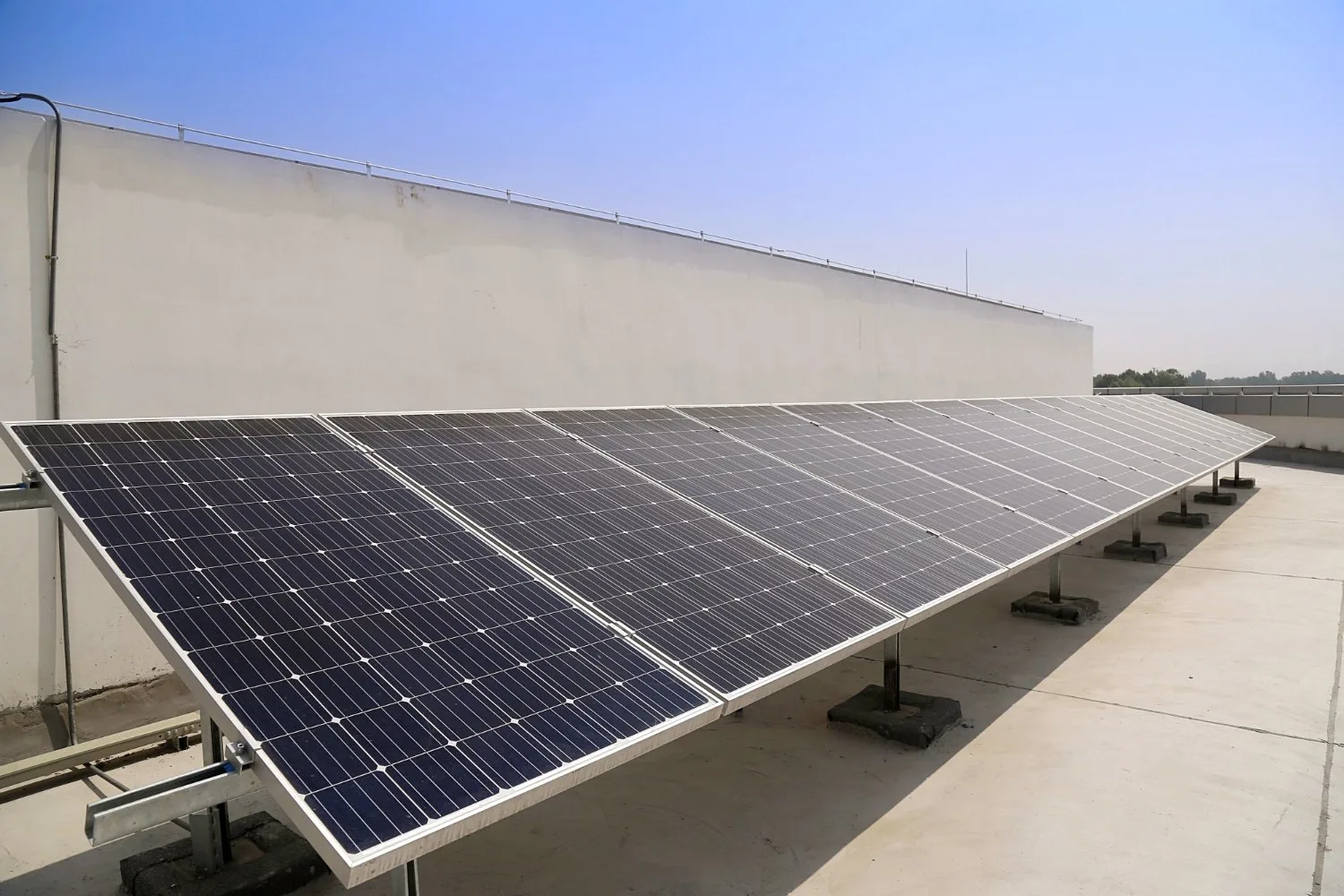
West Bengal is continuing its transition toward sustainable energy with a new set of renewable infrastructure initiatives aimed at strengthening clean power generation and improving energy reliability across the state. The West Bengal Green Energy Development Corporation Ltd (WBGEDCL), a Government of West Bengal undertaking, has invited four major e-tenders for the installation of grid-tied rooftop solar photovoltaic power plants integrated with battery energy storage systems at multiple locations.
The projects are being implemented under the RIDF-XXXI initiative and will include end-to-end execution, covering design, engineering, supply, installation, testing, commissioning, and a comprehensive five-year maintenance period after commissioning. By combining solar generation with battery storage, these installations are expected to ensure stable power supply while maximizing the use of renewable energy.
Projects Planned Across Four Districts
The largest project under the tender process, NIeT-21, will be developed at the Haringhata Layer Farm in Nadia district. The project proposes a 1 MWp grid-tied rooftop solar power plant integrated with a 2 MWh battery energy storage system. The estimated project cost stands at ₹11.37 crore, reflecting the advanced storage capacity planned for the facility.
Two additional tenders - NIeT-22 and NIeT-23, focus on similar solar installations at Malda Layer Farm and Mekhliganj Layer Farm in Coochbehar district. Each of these projects will feature a 1 MWp solar photovoltaic system paired with a 1.8 MWh battery energy storage system. Both projects carry an estimated cost of ₹11.06 crore each.
The fourth tender, NIeT-24, targets a smaller yet significant installation at Saltora Layer Farm in Bankura district. This project will include a 0.5 MWp rooftop solar plant integrated with a 0.7 MWh battery storage system, with an estimated investment of ₹6.14 crore.
Financial and Tender Details
For participation, bidders are required to submit earnest money deposits depending on project size. The Haringhata project requires an EMD of ₹22.74 lakh, while the Malda and Mekhliganj projects require ₹22.12 lakh each. The Saltora project has an EMD requirement of ₹12.28 lakh.
All bidders must also pay a non-refundable tender fee of ₹10,000 along with 18 percent GST. Following the award of contracts, successful bidders will need to submit a performance bank guarantee equal to 10 percent of the contract value mentioned in the Letter of Award.
Eligibility Criteria to Ensure Quality Execution
WBGEDCL has introduced strict eligibility requirements to ensure that only experienced and technically capable organisations participate. Eligible bidders must be registered companies or firms with at least one year of operational experience in West Bengal. Additionally, bidders must have successfully completed similar solar photovoltaic and battery energy storage projects for government institutions or public sector undertakings within the last five years.
All submissions, payments, and tender-related processes will be conducted exclusively through the West Bengal e-tender portal, ensuring transparency and streamlined participation.
Strengthening Bengal’s Clean Energy Future
The integration of battery energy storage systems alongside rooftop solar installations marks an important step in modernizing renewable energy infrastructure. Battery storage enables surplus solar power generated during the day to be stored and used during peak demand or low-generation periods, improving grid stability and reducing reliance on conventional power sources.
By expanding renewable infrastructure beyond urban centres into districts such as Nadia, Malda, Coochbehar, and Bankura, the initiative highlights the state’s focus on decentralized clean energy adoption. These projects are expected to support agricultural and allied infrastructure while contributing to West Bengal’s broader sustainability and climate goals.
As renewable energy adoption gains momentum, initiatives like these reinforce West Bengal’s commitment to building a greener, more resilient, and energy-secure future.